ECU City
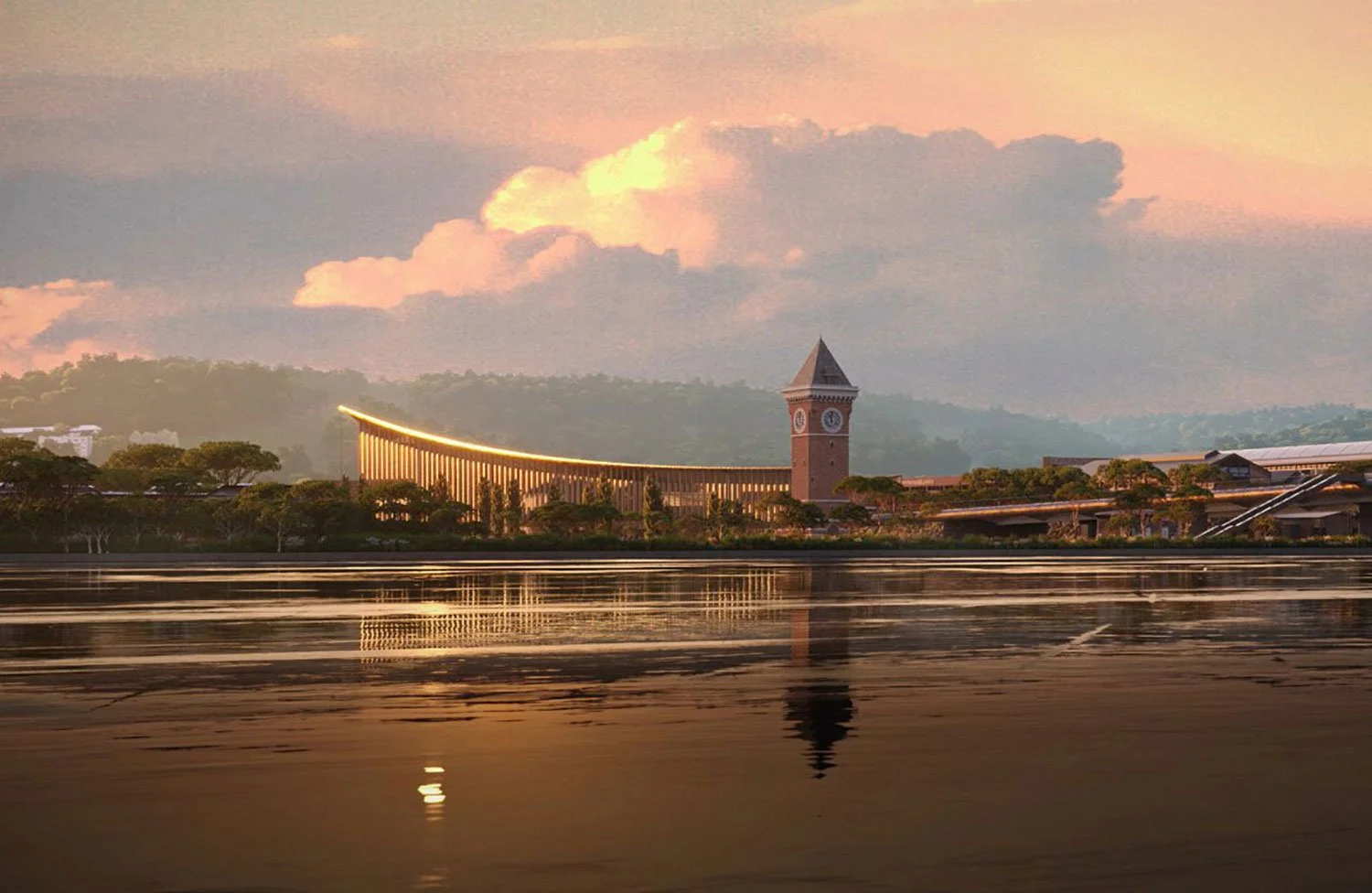
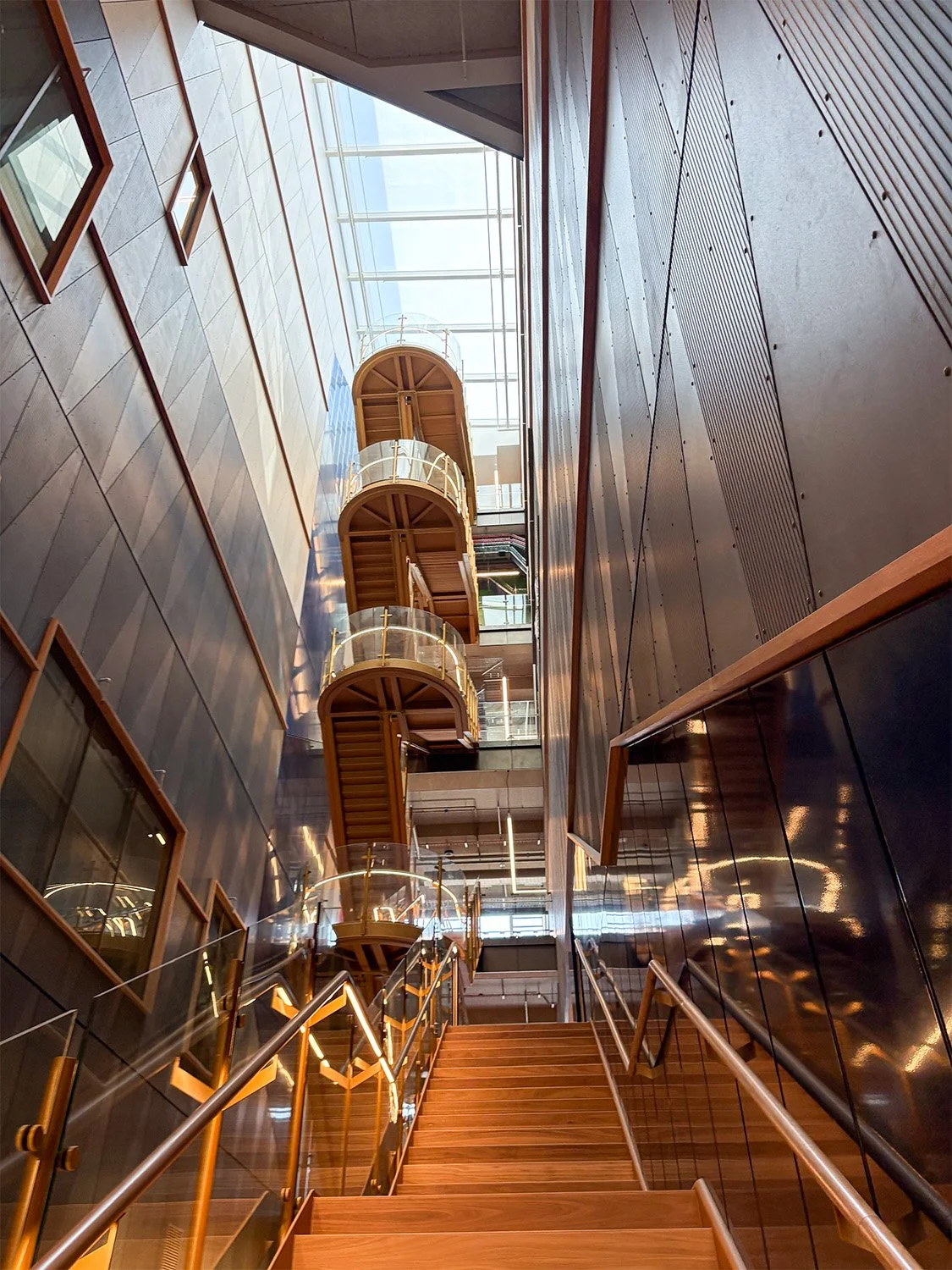
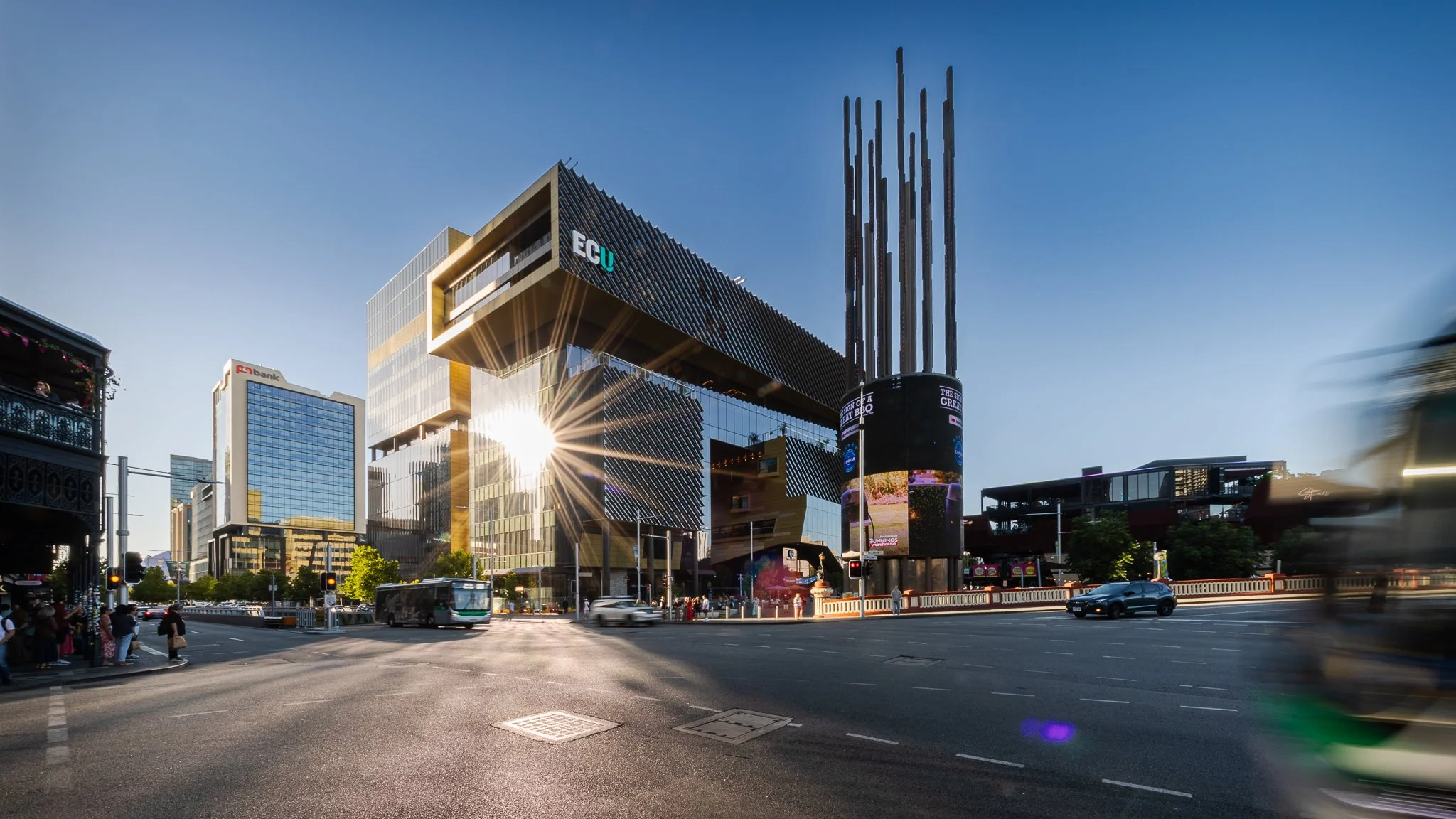
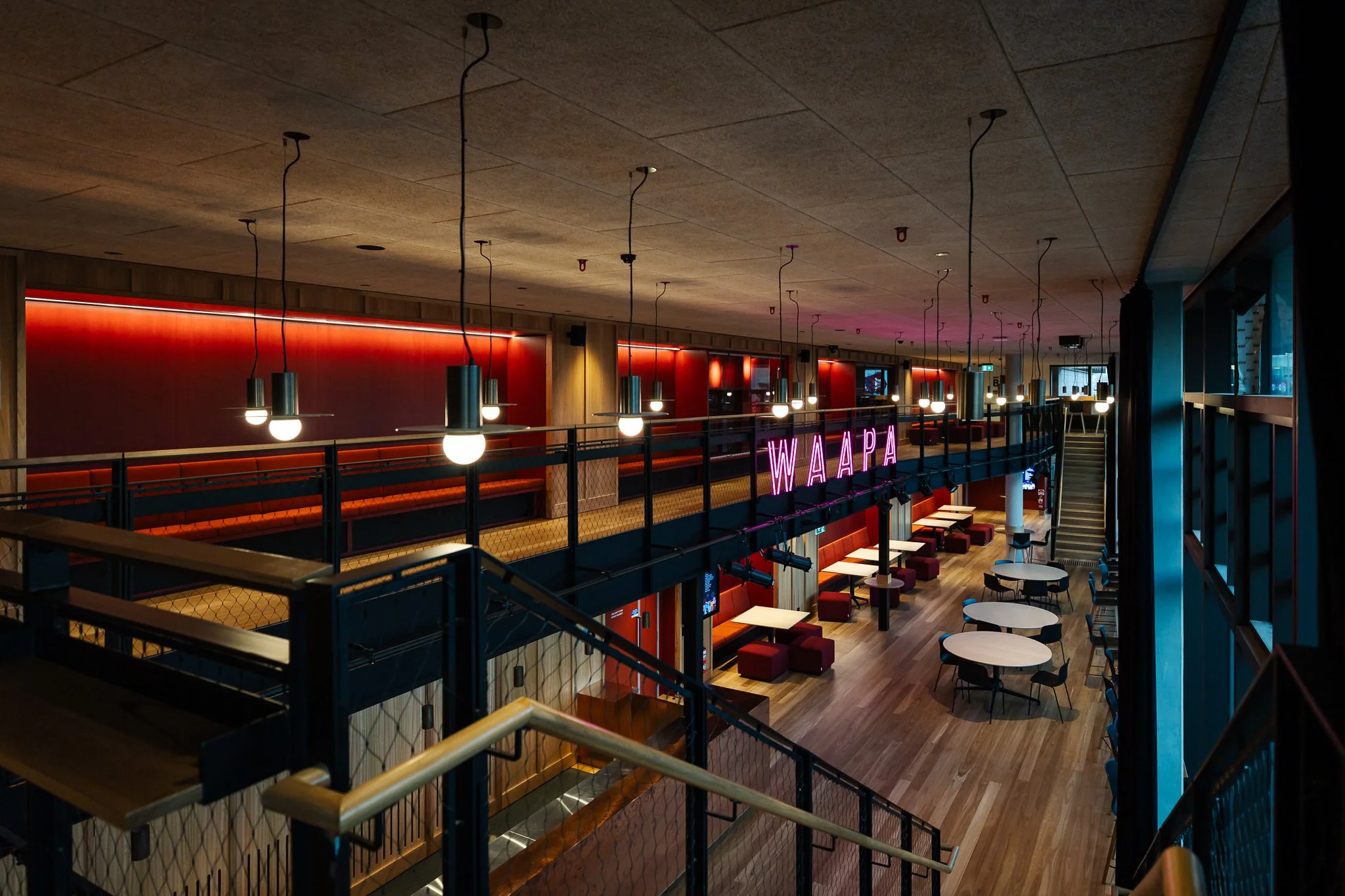
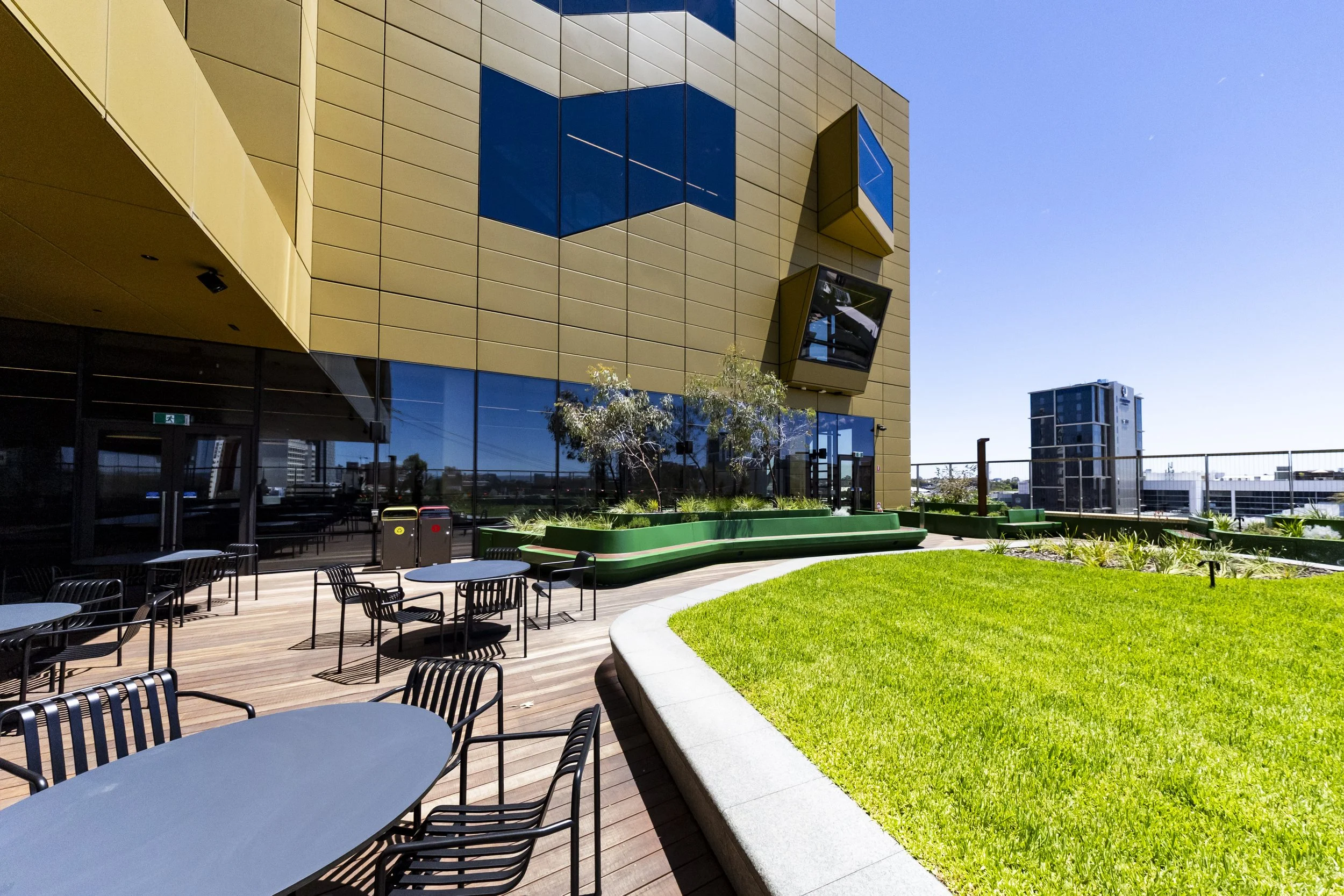
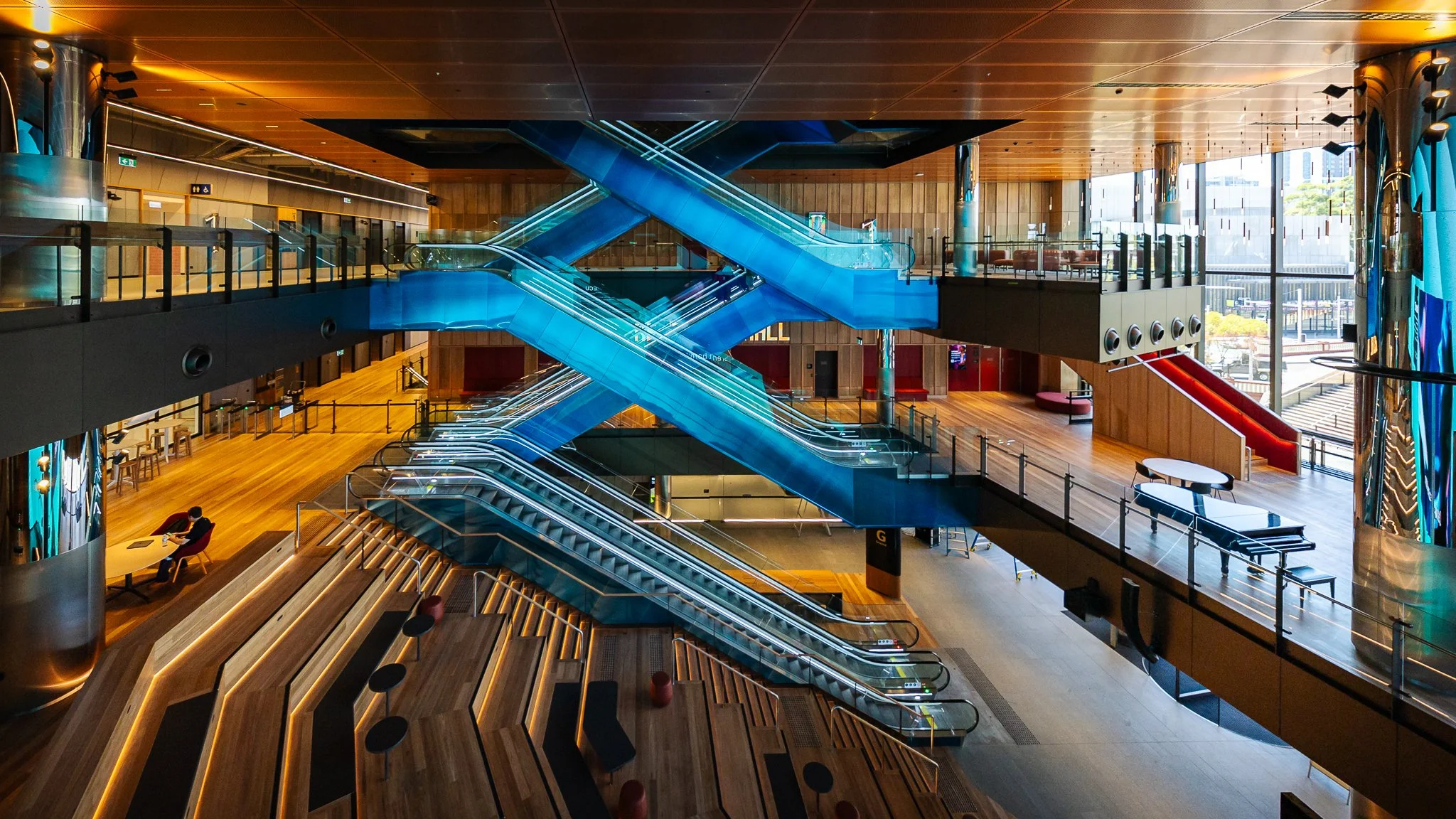
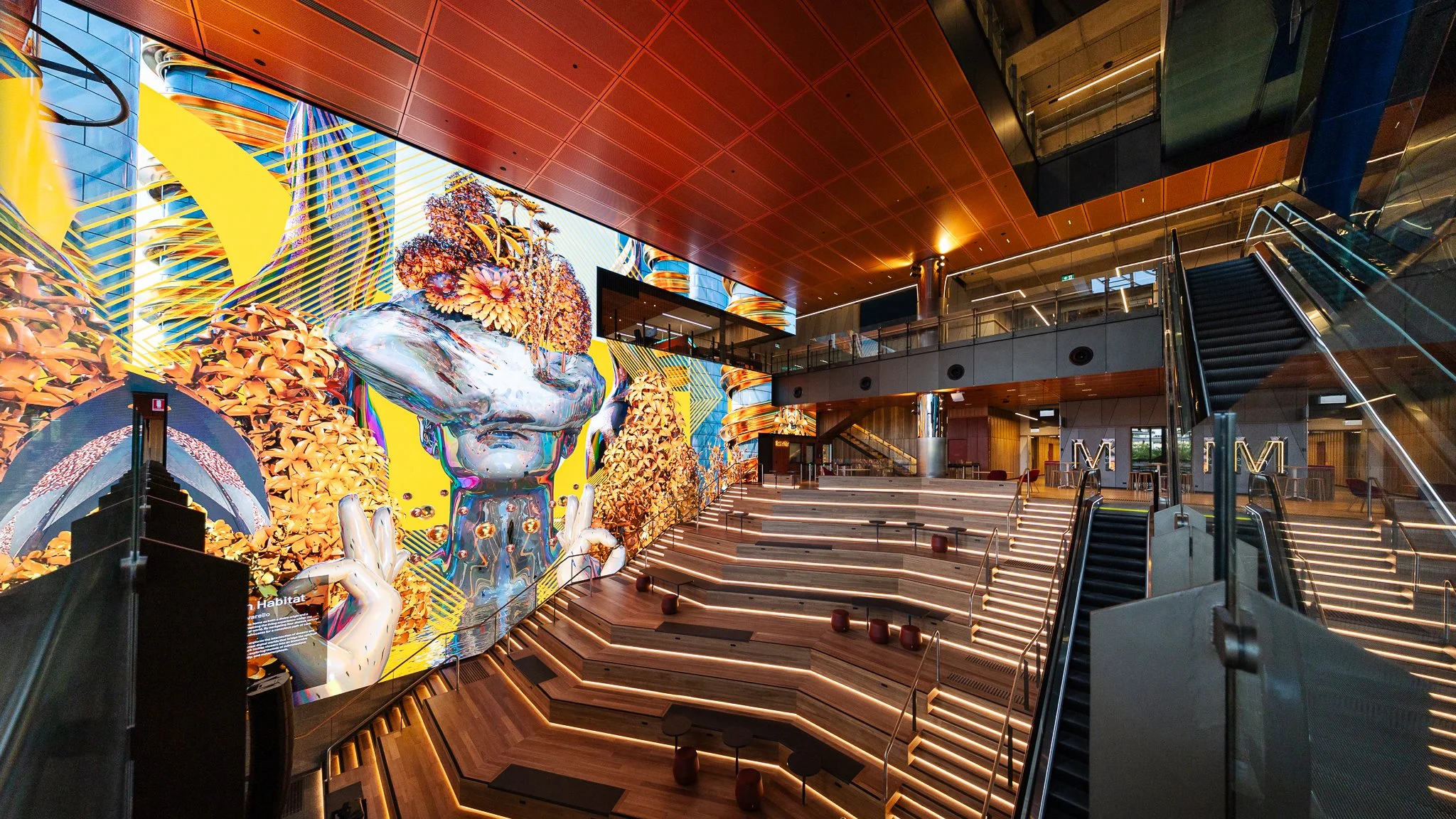
A landmark project set to redefine Perth's city centre, ECU City is a state-of-the-art, 11-level vertical campus developed in collaboration between Edith Cowan University, the Australian Government, and the Western Australian Government.
Located within the Perth City Link directly over metro rail lines, the facility will accommodate over 11,000 students and staff, creating a vibrant new educational precinct.
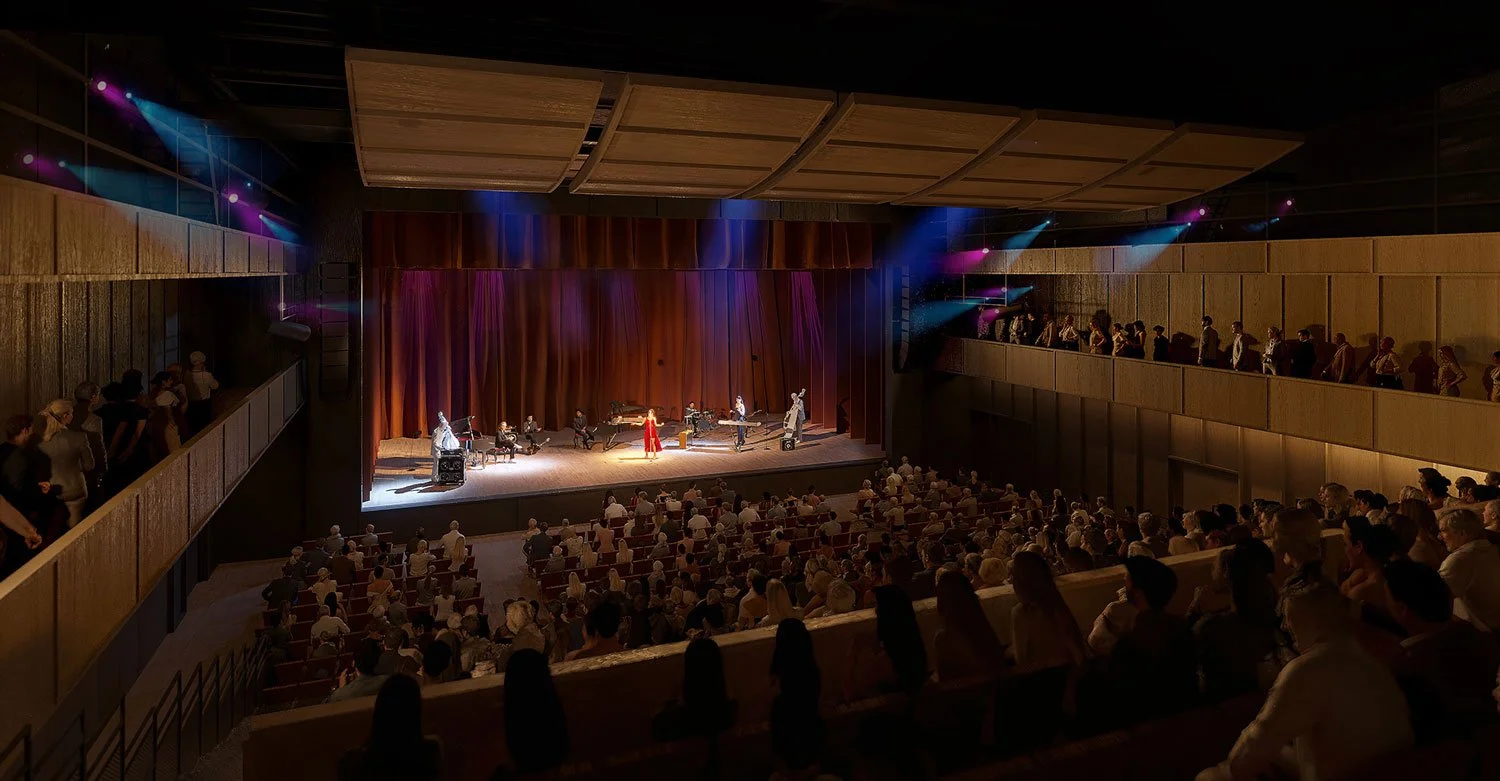
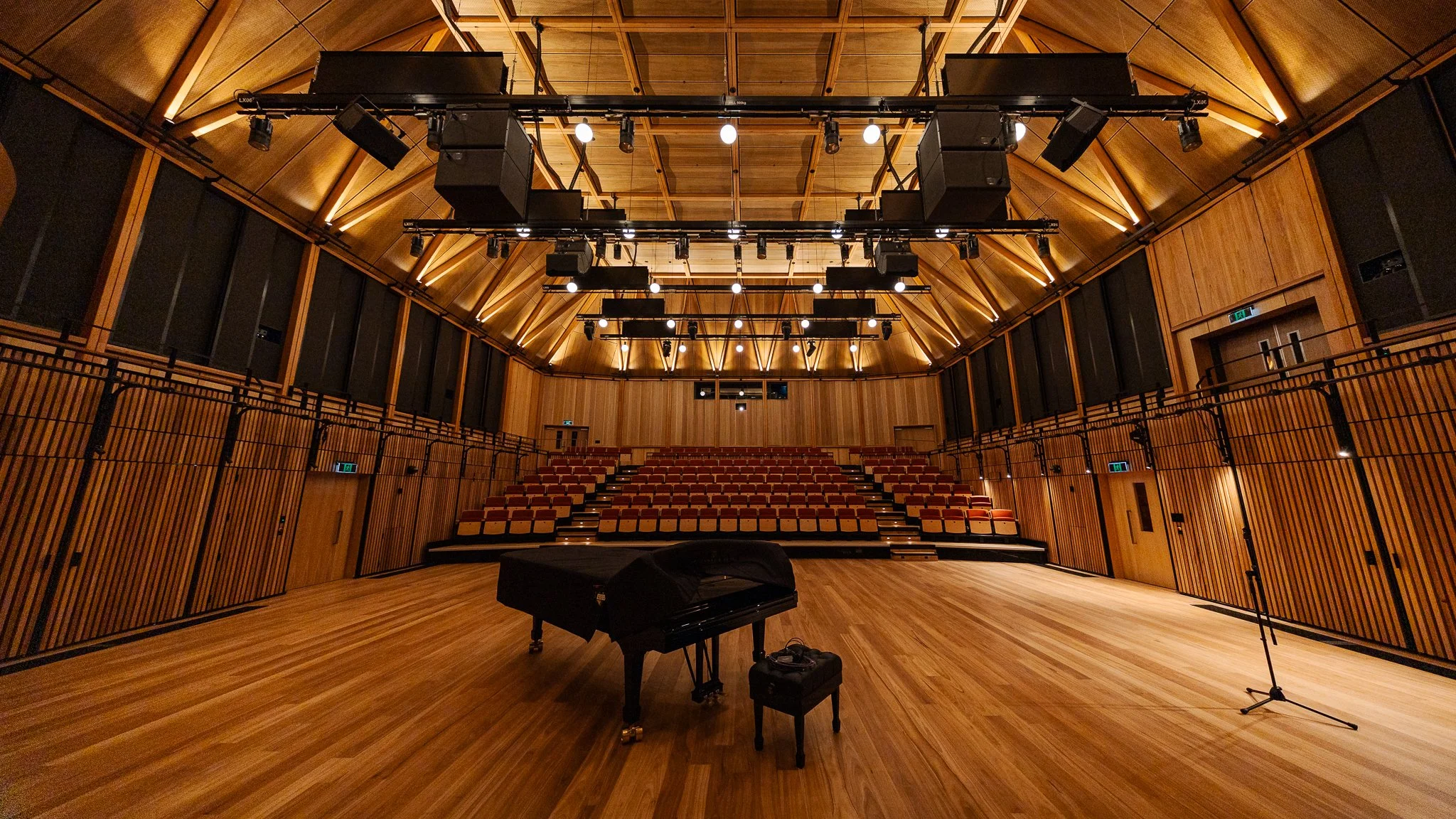
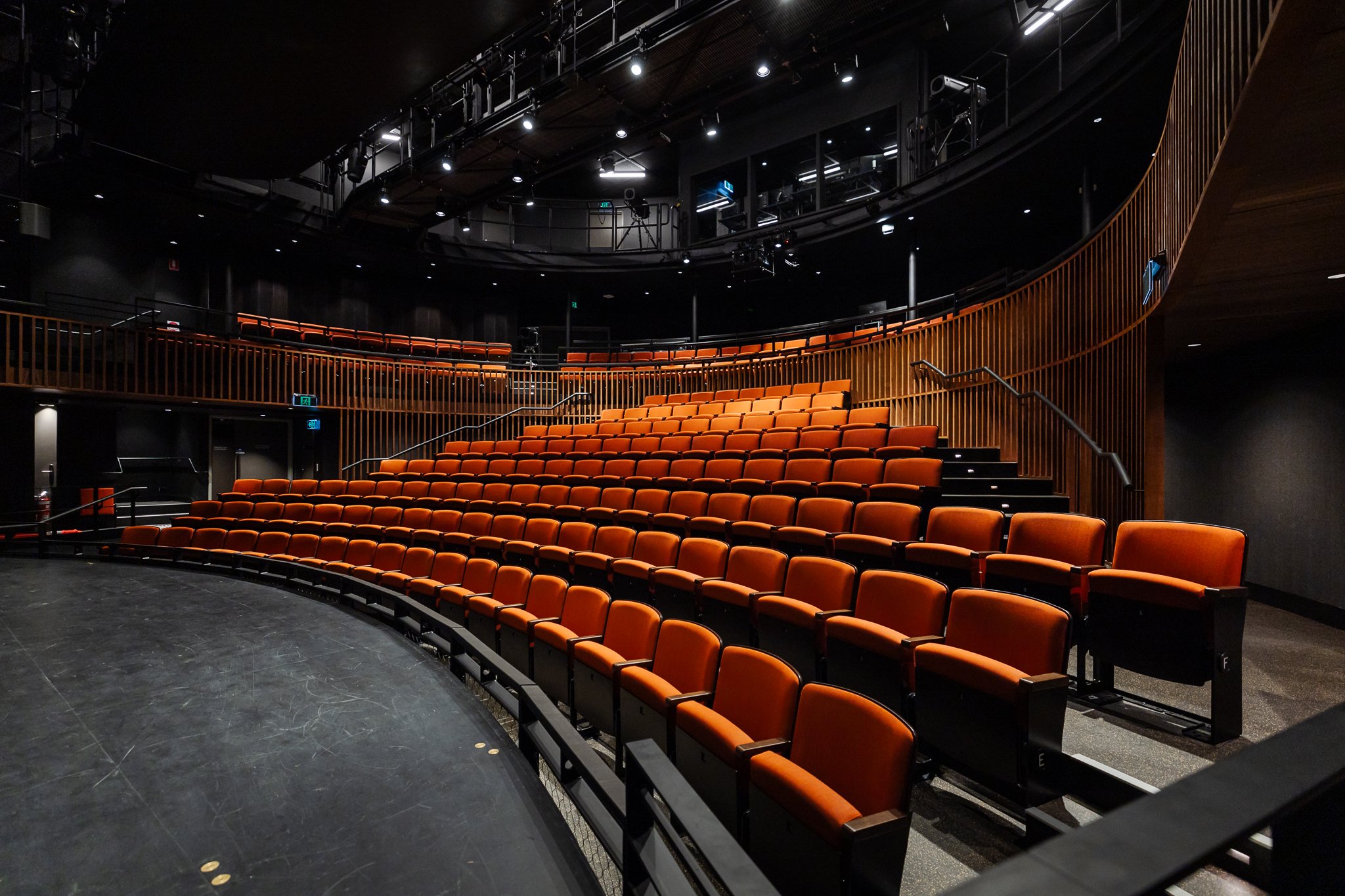
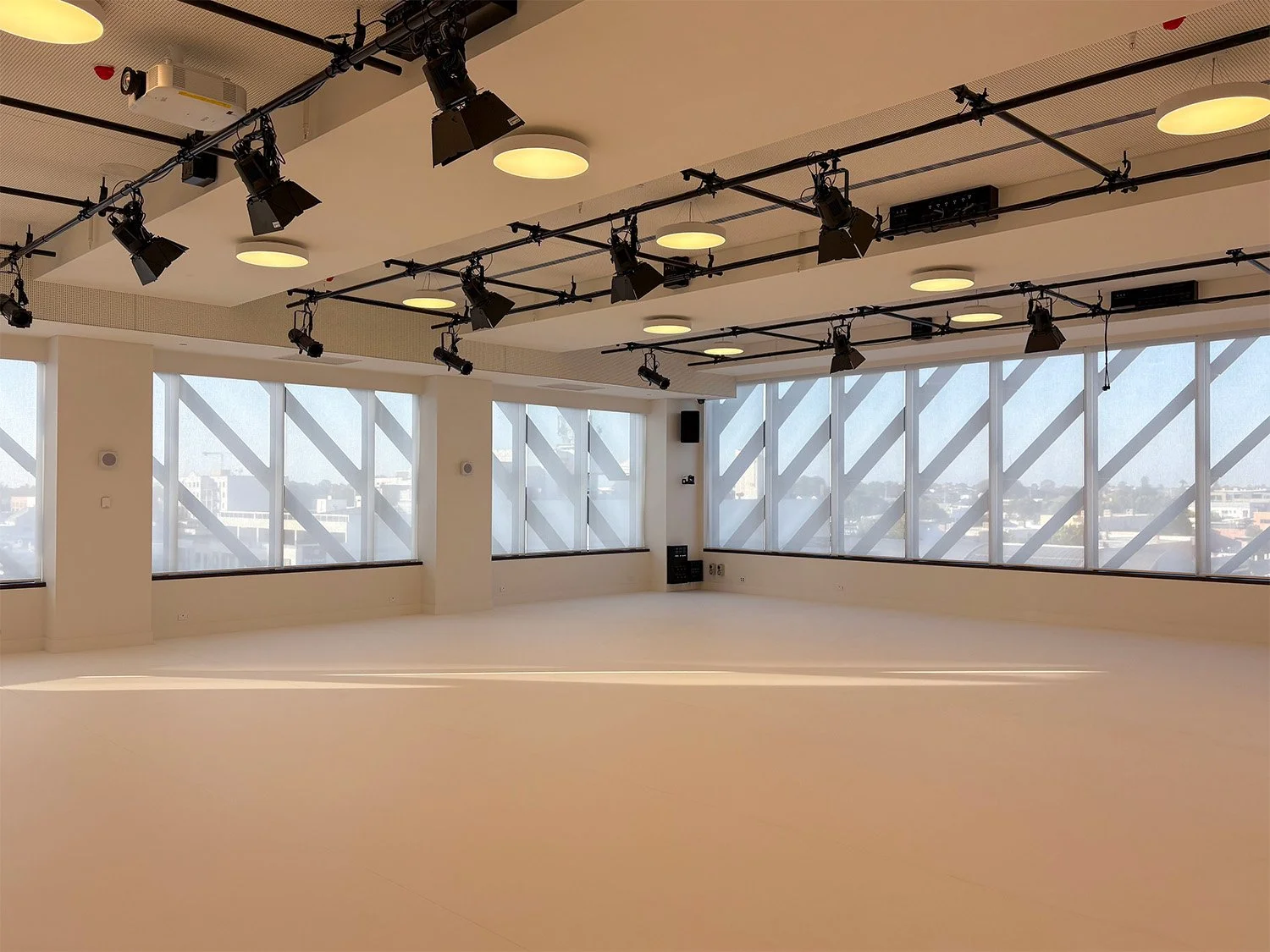
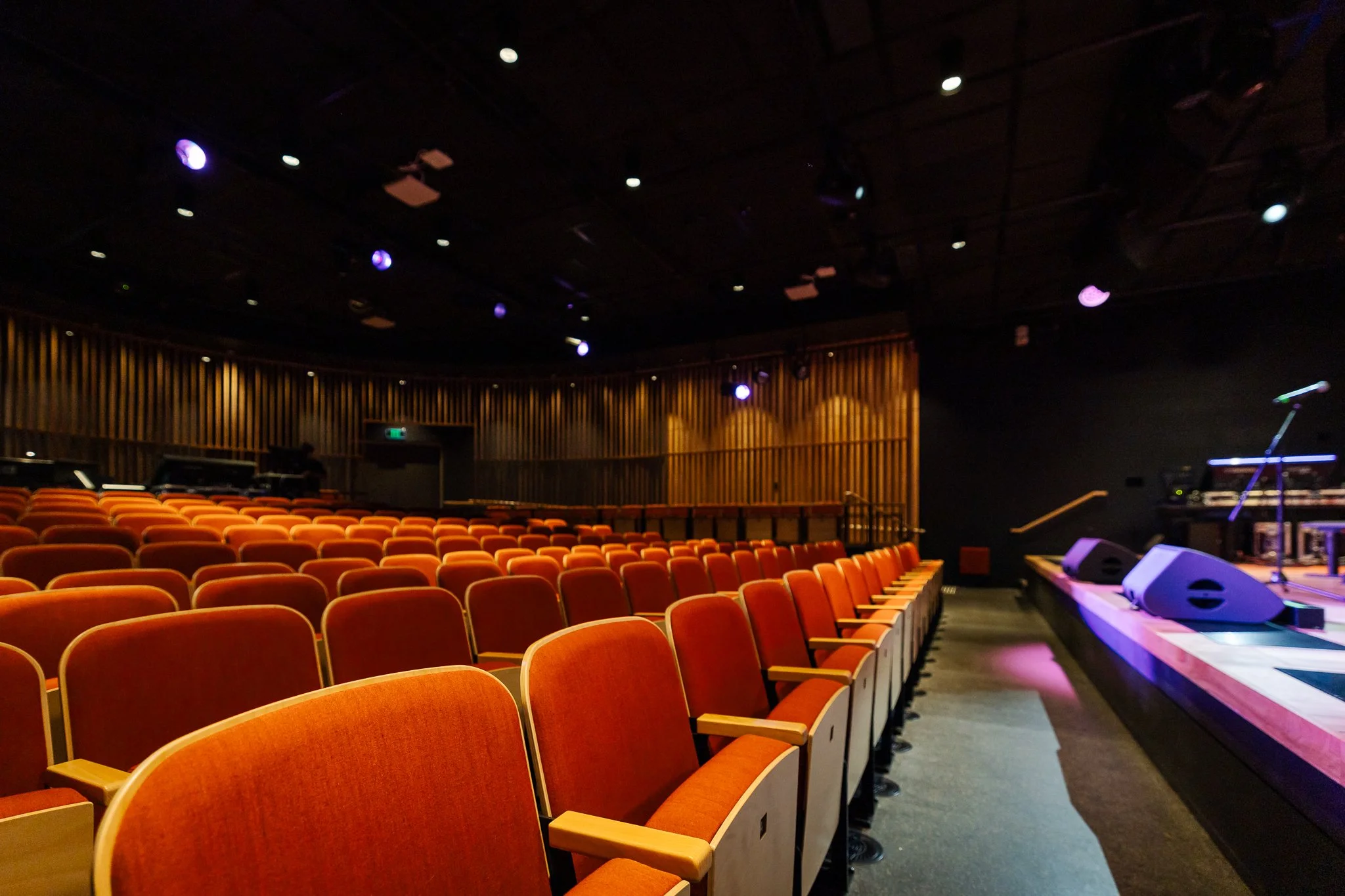
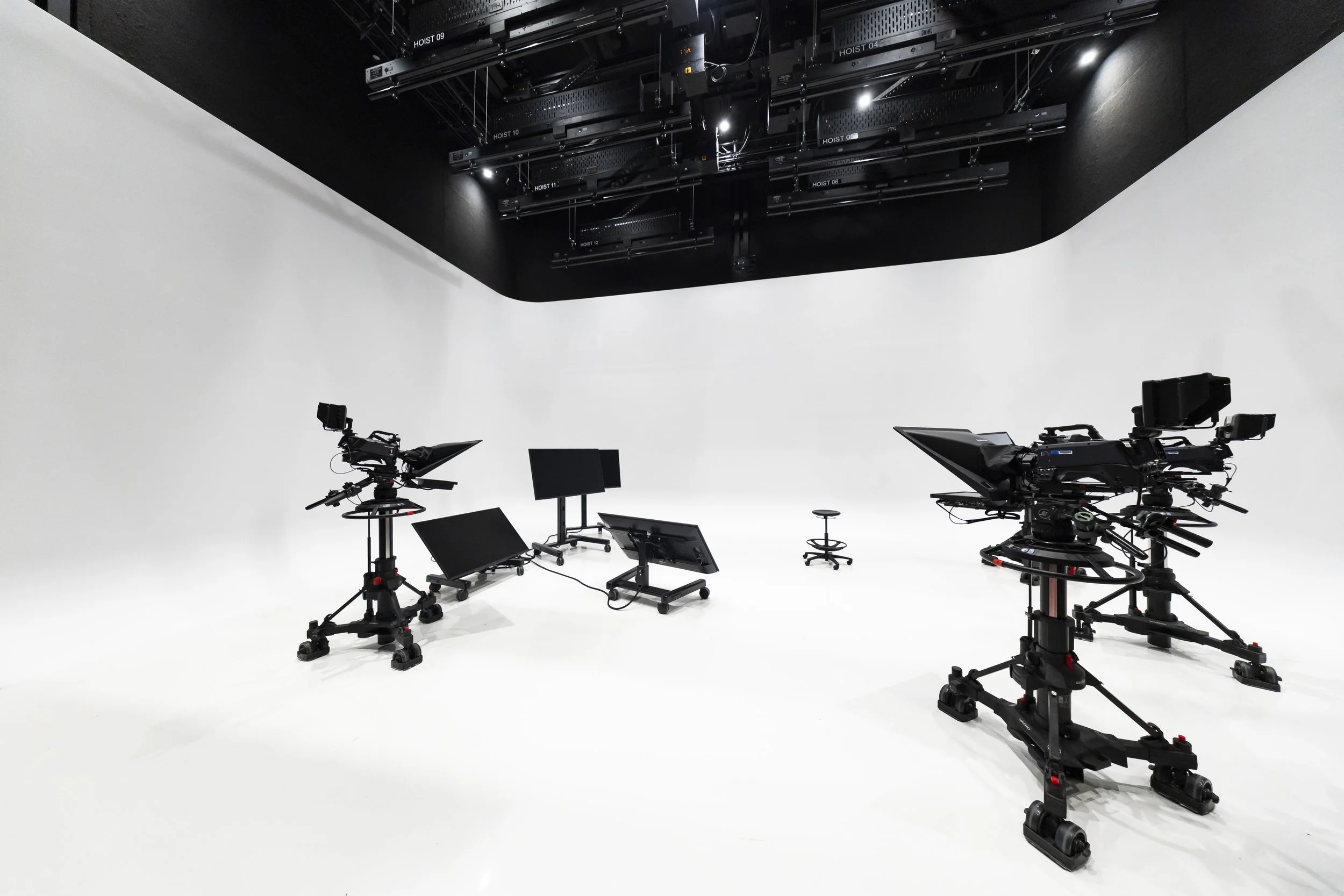
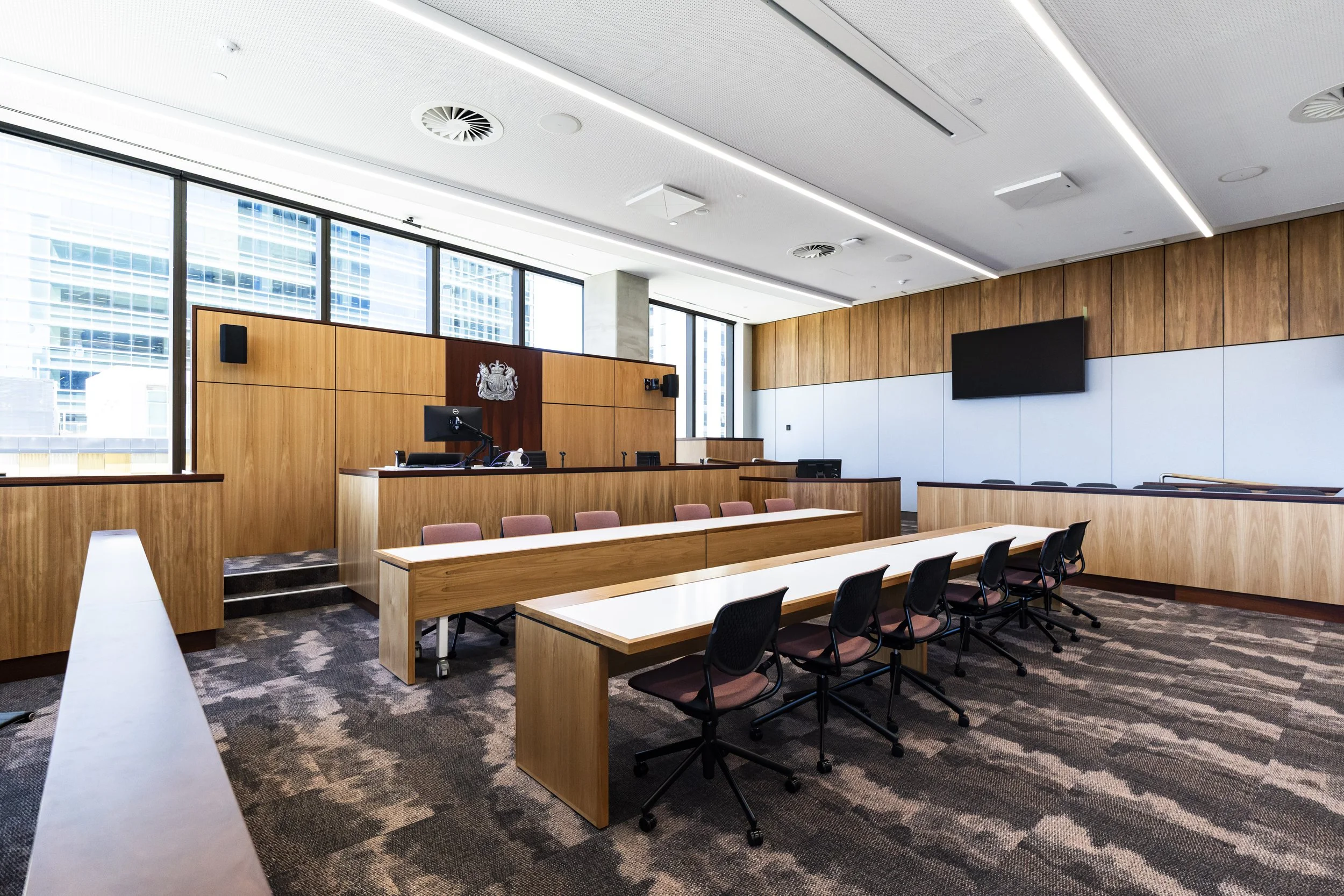
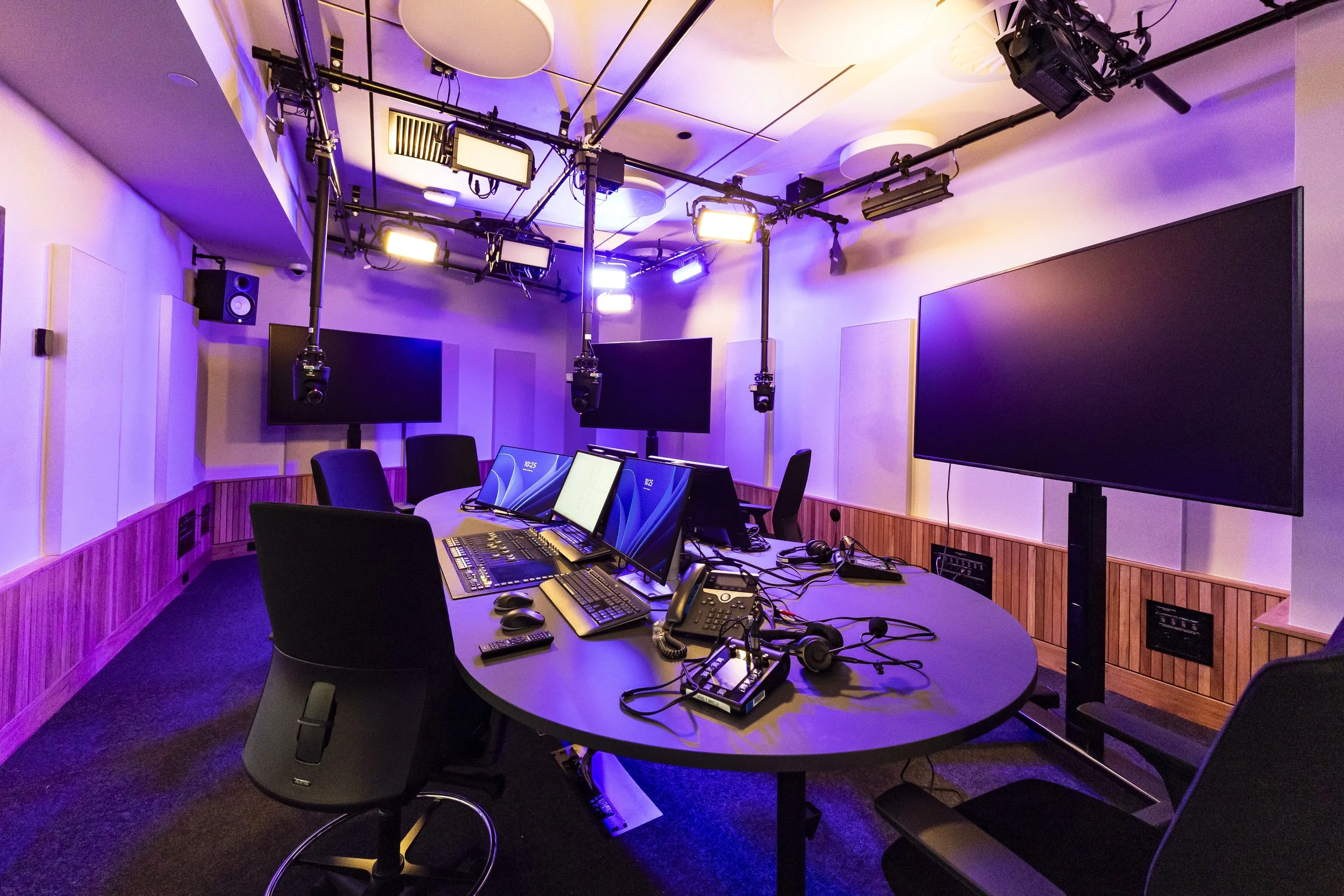
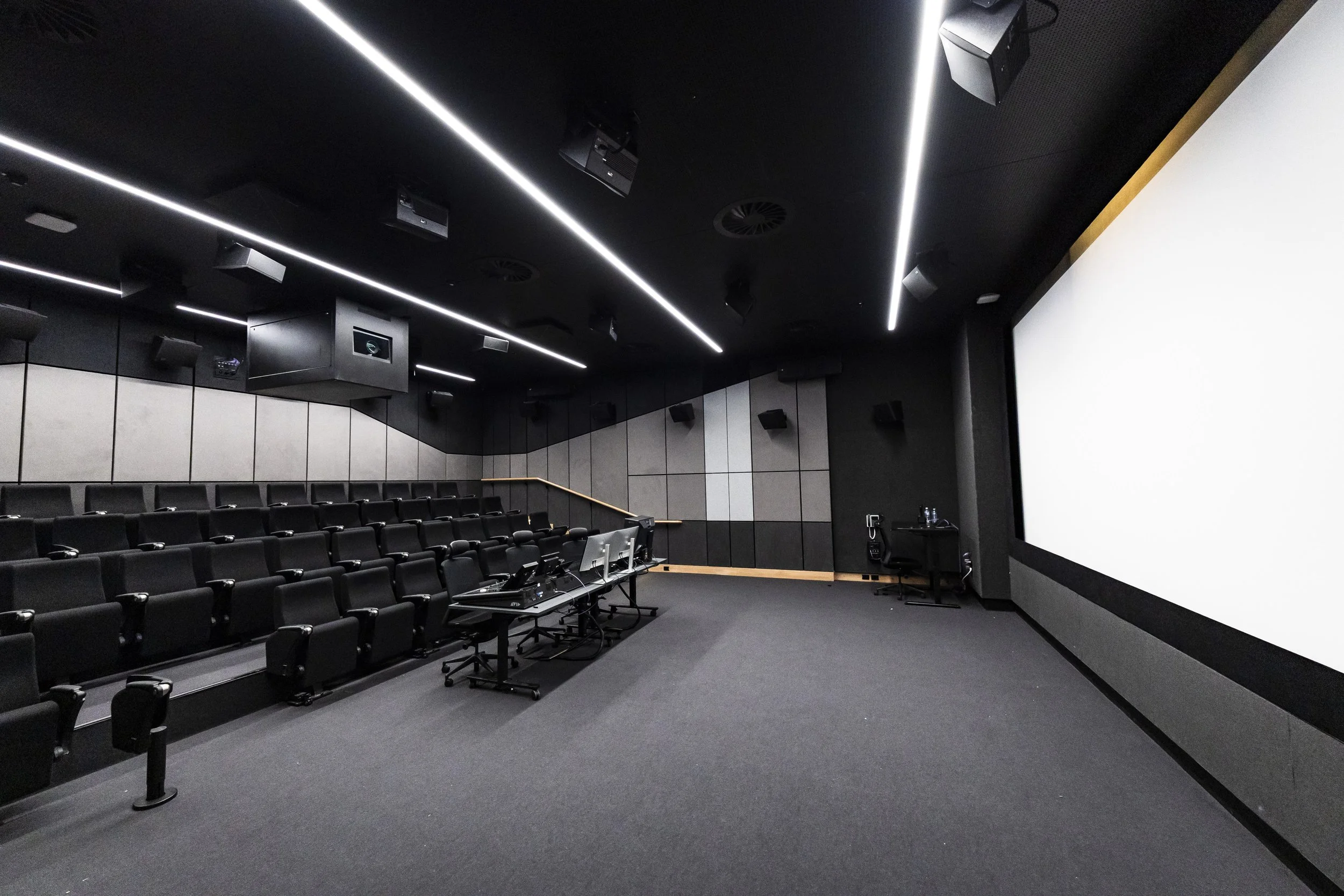
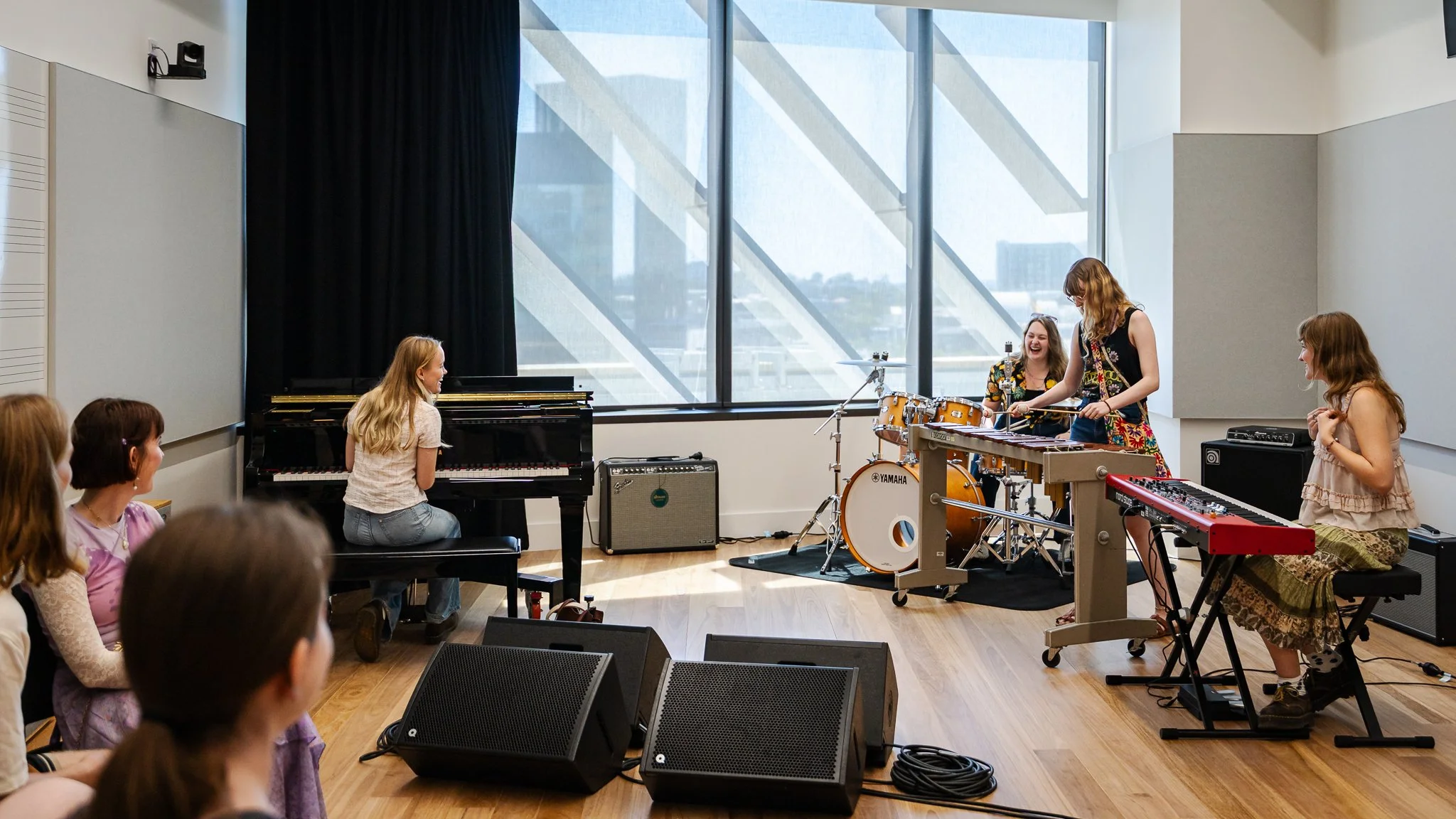
Key highlights included shaping the new home for the West Australian Academy of Performing Arts (WAAPA), providing world-class acoustic environments for its eight distinct performance spaces, and new state-of-the-art facilities for the WA Screen and Media Academy.
CLIENT
Multiplex / Edith Cowan University
LOCATION
Perth, WA
COMPLETED
2026
IMAGES
Courtesy of Stephen Heath and Edith Cowan University
Our Scope
As the acoustic and vibration consultants for the project, MDA was responsible for the technical briefing, design strategy, detail design, and construction supervision, ensuring this complex, multi-use facility achieved world-class performance from the ground up.
Our scope included:
Stakeholder engagement: Understanding the functional and technical requirements of a wide range of user groups was a key first step in our engagement. The project included many specialist spaces with demanding acoustics requirements, so it was critical these were understood and communicated to the design team.
Ground-borne vibration isolation: Analysis and design of structural isolation solutions to mitigate noise and vibration intrusion from the adjacent underground railway, protecting the building and its sensitive performance spaces.
Performance venue acoustics: Specialist room acoustics design for all eight of WAAPA’s performance venues. This involved detailed 3D acoustic modelling to optimise reverberation, clarity, and the overall auditory experience for a diverse range of performance types.
Building sound insulation: Comprehensive design of high-performance walls, floors, ceilings, and glazing systems to ensure acoustic separation and privacy between all critical spaces, from performance venues and recording studios to lecture theatres and offices.
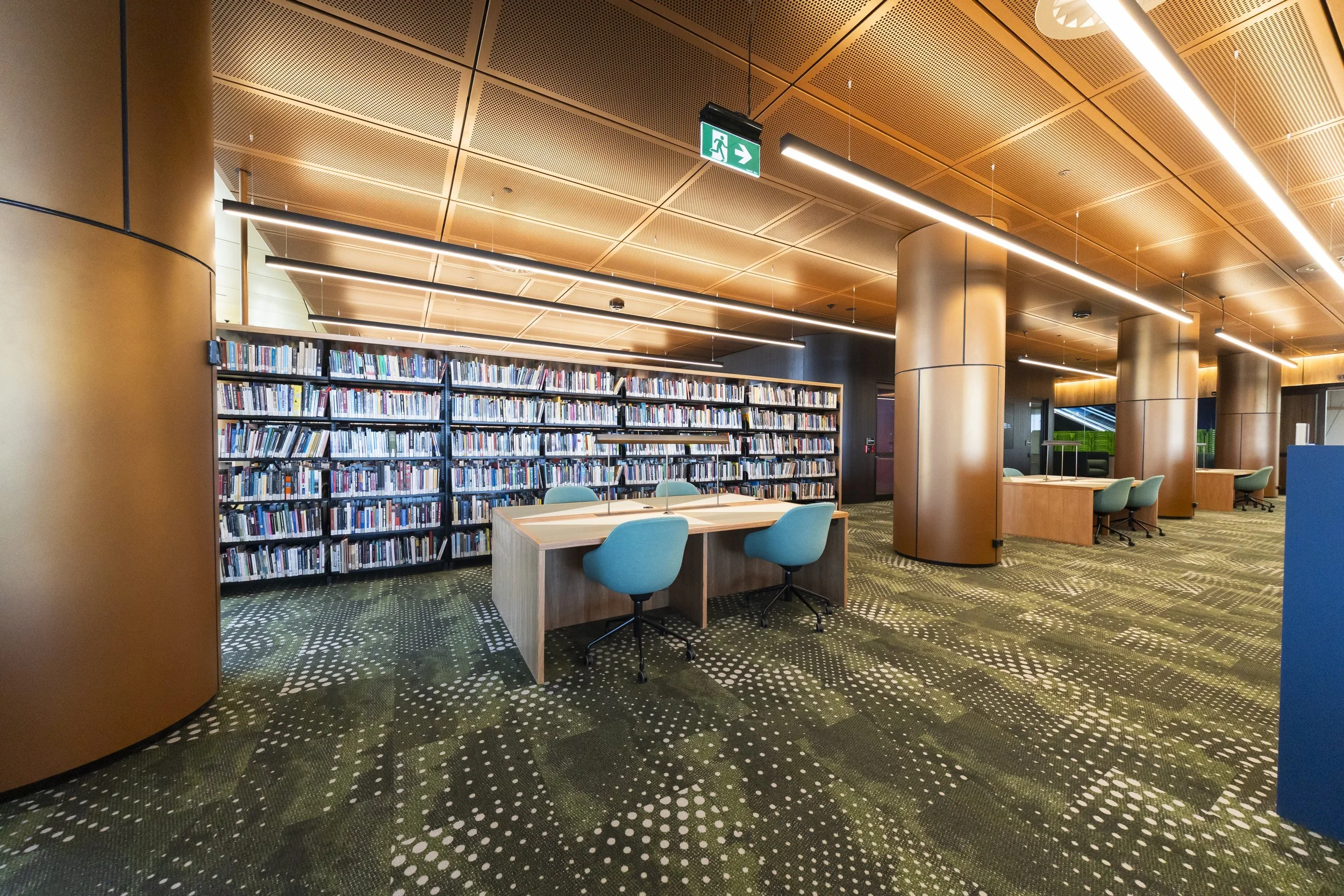
Room acoustics: Specification of acoustic treatments for all learning, teaching, and administrative spaces across the 11-level campus to ensure optimal speech intelligibility, focus, and acoustic comfort.
Mechanical services noise control: Detailed assessment and engineering controls for all mechanical plant and equipment to manage noise breakout to the environment and prevent acoustic disturbance to internal spaces, including demanding requirement for performance and recording spaces.
Challenges
The location of the campus was excellent in terms of connectivity to the heart of Perth CBD and the Perth Cultural Centre but was not without its challenges.
External noise and vibration issues included:
Yanchep and Fremantle metro rail lines located directly under the building, including under performance spaces
CBD traffic noise from adjacent streets and the Perth Busport
Emergency services noise including sirens and helicopter noise
Entertainment noise from nearby venues in Northbridge
Ground-borne noise was recognised as a critical project risk from the outset. MDA collaborated closely with the design team to develop targeted mitigation strategies. Because spatial constraints made whole-building isolation impractical, a selective box-in-box approach was implemented as required to meet the demands of each space. This strategy also delivered high-performance acoustic separation between vertically stacked spaces—an essential requirement given the tight site constraints.
The risk was managed and monitored during the construction stage through extensive vibration surveys, commencing with borehole measurements at preconstruction and concluding with measurements on completed floating floors within the specialist spaces.
The project’s scale presented a major challenge. MDA’s Perth team formed the project core, supported by specialist input from across the company as required. Continuity of personnel was critical: key staff remained responsible for specific design packages from project inception through to completion, ensuring technical consistency and eliminating delays or confusion associated with high staff turnover. This was reinforced by the implementation of robust, reliable design tools and tracking systems, which proved essential for coordination, quality control, and delivery efficiency.
“You will not find a better place for performing arts education anywhere in the world.”
PROJECT TEAM






RELATED PROJECTS